January 20, 2026
Breaking down in an urban environment can be stressful and inconvenient. City streets are often crowded, parking is limited, and traffic moves quickly, making a car breakdown more than just an annoyance—it can be a safety risk. Knowing how to respond effectively ensures you protect yourself, minimize disruptions, and get back on the road as quickly as possible. From prioritizing safety to contacting professional services, this guide offers practical steps for handling a vehicle breakdown in an urban area. By following these strategies, you can face the situation calmly and confidently.
1. Prioritize Safety First
Your immediate concern during a breakdown should always be safety. If your car is still operational, steer it to the side of the road, a shoulder, or an empty parking lot. This prevents your vehicle from obstructing traffic and reduces the risk of collisions. If moving your car isn’t possible, activate your hazard lights to alert other drivers. Setting up reflective triangles or flares around your car is an extra precaution, particularly during low visibility conditions or nighttime breakdowns.
Once in a safer spot, staying inside the vehicle is generally recommended. Exiting the car on busy urban streets can put you at risk of being struck by other vehicles. Keep your doors locked, especially in unfamiliar areas, and have your phone ready for emergency calls. Maintaining a calm and focused mindset allows you to assess the situation more effectively.
Remaining alert to your surroundings is also crucial. Urban areas can present additional risks, such as opportunistic crime or unsafe conditions. Observing your environment while maintaining security ensures that you can make informed decisions about your next steps. Prioritizing safety first sets a solid foundation for dealing with the breakdown efficiently.
2. Assess the Problem
Understanding the nature of your breakdown will guide your response. Start by checking dashboard indicators for warning lights, which often reveal the issue. If you have basic mechanical knowledge, listen for unusual noises, inspect under the hood, or examine tires for visible damage. This information is valuable for deciding whether you can handle the problem yourself or if professional assistance is needed.
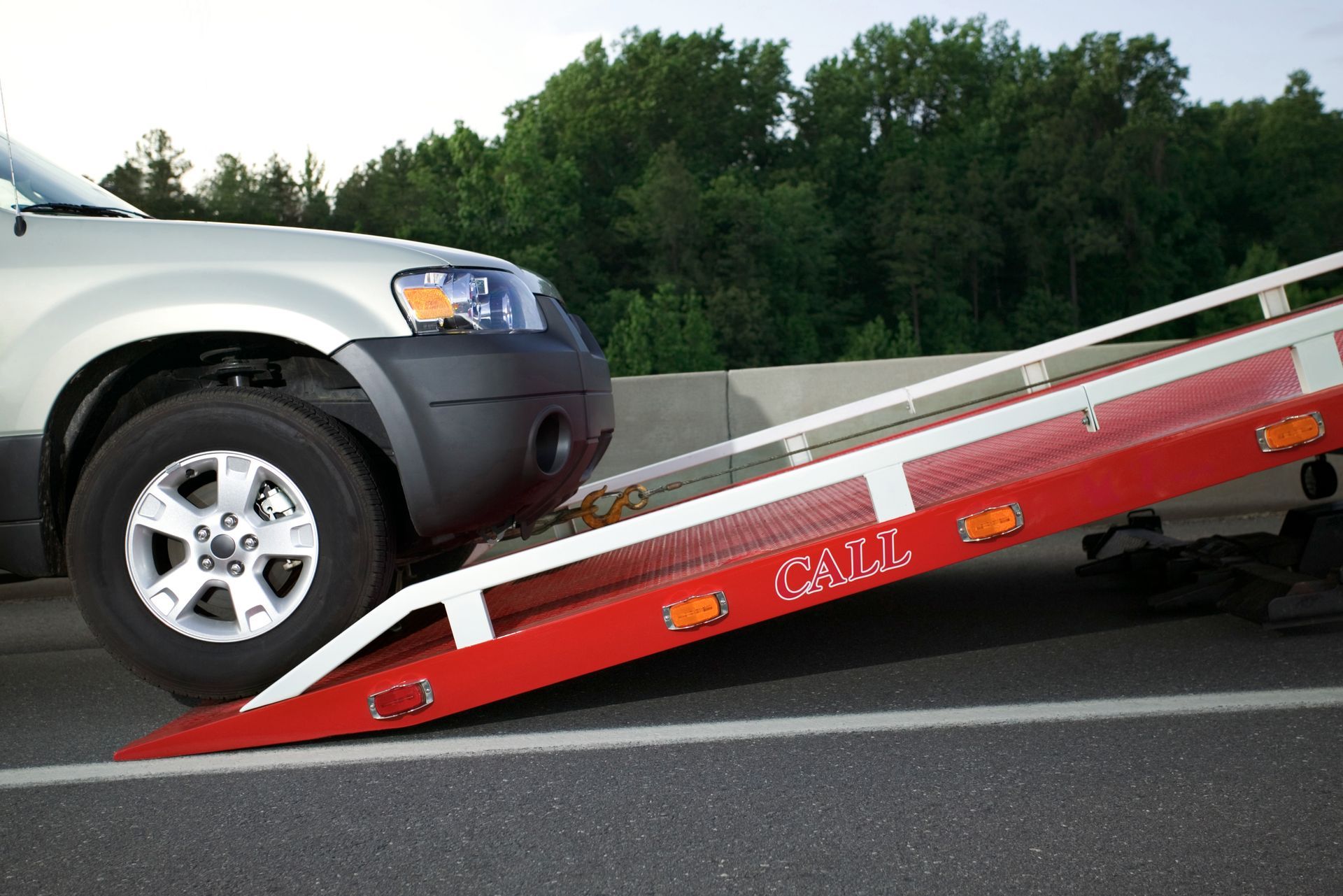
Evaluate your available resources. Tools in your car, roadside assistance kits, or even knowledge of minor repairs can help address simple issues. However, in most urban breakdowns, professional towing may be necessary. According to WorldMetrics.org, the typical response time for towing services in urban areas is within 30 minutes, so help should arrive relatively quickly.
Consider the time of day and location when assessing the situation. Nighttime breakdowns in unfamiliar areas are riskier, and waiting for professional towing might be safer than attempting a repair yourself. Remaining calm, logical, and methodical in assessing the situation ensures better outcomes and reduces unnecessary stress.
3. Contact Professional Help
Once you have assessed your situation, the next step is contacting professional services. Roadside assistance or towing companies can provide prompt help, from jump-starting batteries to towing your vehicle to a repair shop. When calling for help, clearly communicate your exact location, the vehicle’s issue, and any hazards around your car. Proper communication ensures the right help arrives efficiently.
Besides professional services, notifying friends or family can provide additional support and guidance. In some cases, a nearby friend may be able to pick you up or offer advice on handling the breakdown.
Modern mobile apps make arranging towing and roadside services even easier. Many apps provide estimated arrival times, service details, and the ability to track help on your phone. Using these digital tools can reduce anxiety and streamline your experience, making towing and roadside service management much more convenient in urban areas.
4. Handle Interactions with Strangers Carefully
While waiting for towing or assistance, you may encounter passersby offering help. Although most people are well-intentioned, exercising caution is vital. Politely acknowledge offers but maintain a safe distance, keeping your phone accessible at all times. Avoid letting strangers into your car or engaging in situations that feel unsafe.
Genuine offers of help, such as directions to a nearby mechanic or advice on temporary fixes, can be valuable. Trust your instincts and only accept assistance when you feel comfortable and safe. Document any interactions if needed, particularly in the case of accidents or suspicious activity. Urban streets often have surveillance cameras, which can serve as witnesses if any disputes arise.
Managing these interactions carefully ensures your safety while still allowing you to benefit from potential help. Balancing caution with practicality is key during any urban breakdown scenario. Always trust your instincts and avoid situations that feel unsafe, even if the offer seems helpful. Keeping a clear plan of action for how to respond to strangers can reduce stress and help you stay in control while waiting for towing or assistance.
5. Be Prepared in Advance
Preventing complications starts before a breakdown occurs. An emergency kit is essential for urban drivers and should include items like reflective vests, flares, a flashlight, spare fuses, basic tools, and first-aid supplies. Having extra fluids like coolant, oil, and water can help address minor mechanical issues temporarily.
Familiarity with local towing services and keeping their contact information handy speeds up your response. Routine vehicle maintenance and awareness of common issues also prevent many breakdowns. Regular inspections, oil changes, tire rotations, and battery checks reduce the likelihood of unexpected problems in urban traffic.
Learning basic auto repair skills, such as changing a tire or jump-starting a battery, adds confidence and independence. While these tasks may not solve every breakdown, they can mitigate stress and improve your ability to manage minor issues while waiting for towing. Proper preparation not only safeguards you but can also minimize the impact of a breakdown on your day.
6. Follow Up After the Breakdown
After your car is safely towed or repaired, follow-up actions are crucial. Document the incident if any accident or damage occurred and report it to your insurance company if necessary. Accurate records help with claims and may prevent similar problems in the future. Reviewing the circumstances of the breakdown can also highlight areas where your preparedness could improve. Sharing lessons learned with family or friends may help them avoid similar situations and be better prepared themselves.
Arrange professional repairs promptly to restore your vehicle to full functionality. Consult with a trusted mechanic to ensure that all issues are resolved, not just the immediate problem. Ask for advice on preventative maintenance to reduce the likelihood of future breakdowns. Keeping a record of all repairs and maintenance performed can help track your vehicle’s health over time. Additionally, scheduling regular check-ups can catch potential issues early, saving you time, money, and stress in the long run.
Reflecting on the experience can provide valuable lessons. Review how you handled the situation, update your emergency kit if needed, and consider any changes to driving or maintenance habits. By learning from the incident, you become better prepared for any future towing needs and breakdown scenarios.
A vehicle breakdown in an urban area can feel overwhelming, but careful planning, situational awareness, and timely action can make the experience manageable. Prioritizing safety, assessing your car’s condition, and calling for professional towing services are the most important steps. Being prepared with emergency equipment, local service contacts, and basic repair knowledge further enhances your ability to handle these events efficiently. Reflecting on the incident and making adjustments afterward ensures improved preparedness for future breakdowns. Following these strategies will help you navigate urban breakdowns with confidence and minimal stress. For reliable towing and prompt assistance, trust OTW Transport to get you back on the road quickly.